Now raising · Reg D offering

Building the logistics network that space doesn't have yet.

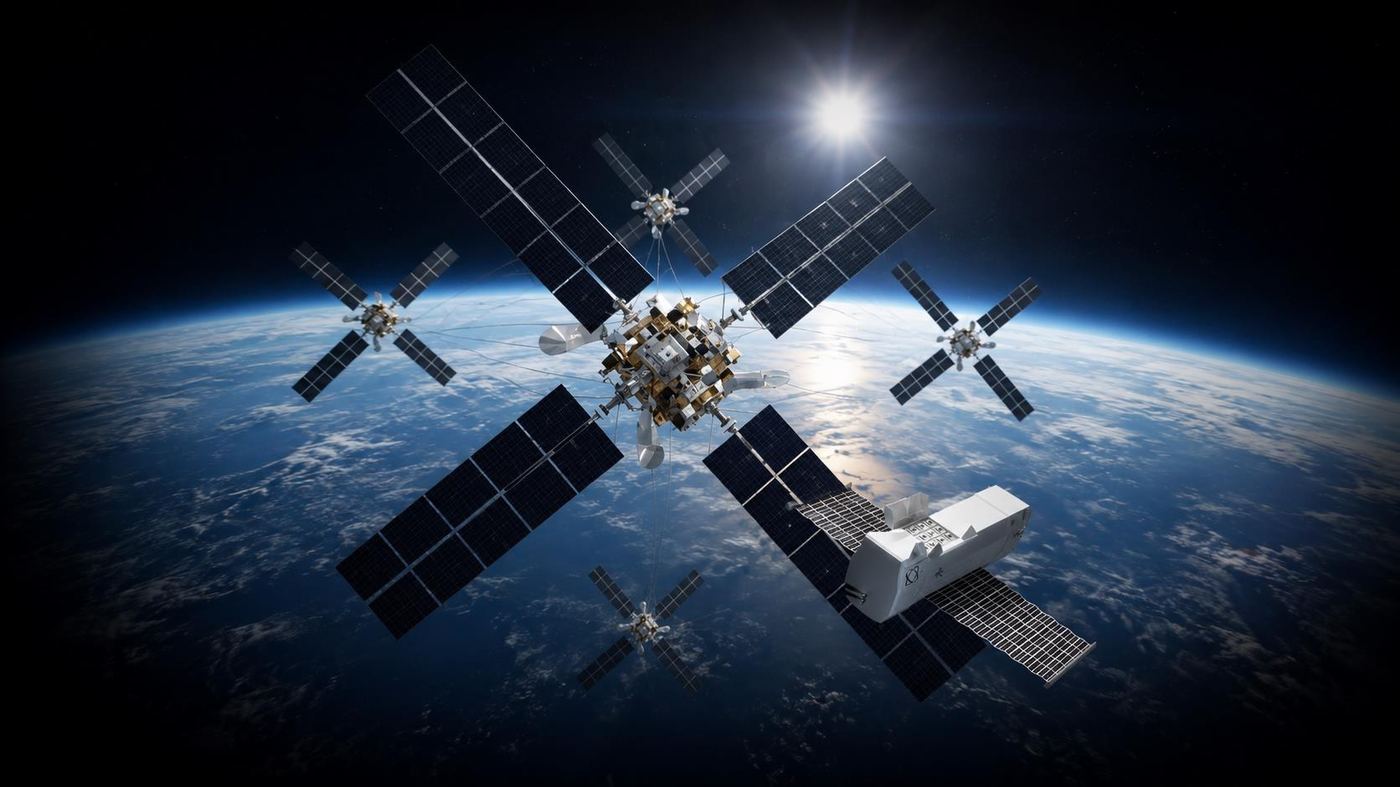
Orbit2Orbit is building reusable infrastructure to move cargo between orbital platforms. It's the missing logistics layer for the next generation of the space economy.

Read the Offering Circular (PDF)
0+ yrs
Combined industry experience
0+
Missions flown across the team
US$0M
Qualified commercial pipeline9
Customers onboard
Commercial revenue underway
The Big Idea

Launch is no longer the bottleneck.

Launching payloads into orbit is becoming dramatically cheaper. What's missing is everything that happens after launch. Think of it as building the highways and freight network for the future space economy.

EARTH payload built LAUNCH solved · 95% cheaper ORBIT2ORBIT the logistics junction CARGO MOVEMENT SERVICING REFUELING DEPLOYMENT ORBITAL DISTRIBUTION
Why Now

Four forces. One new economy.

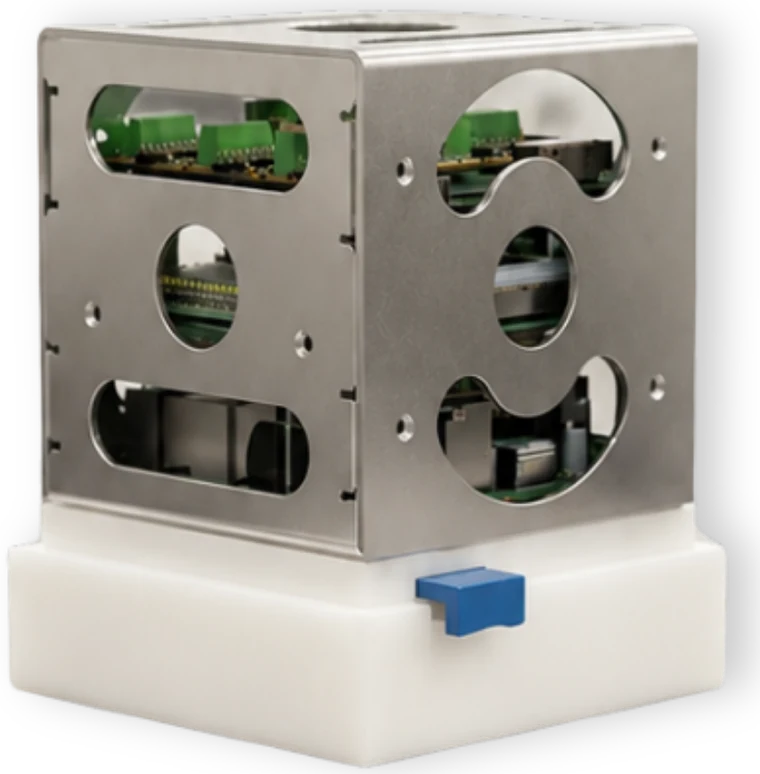
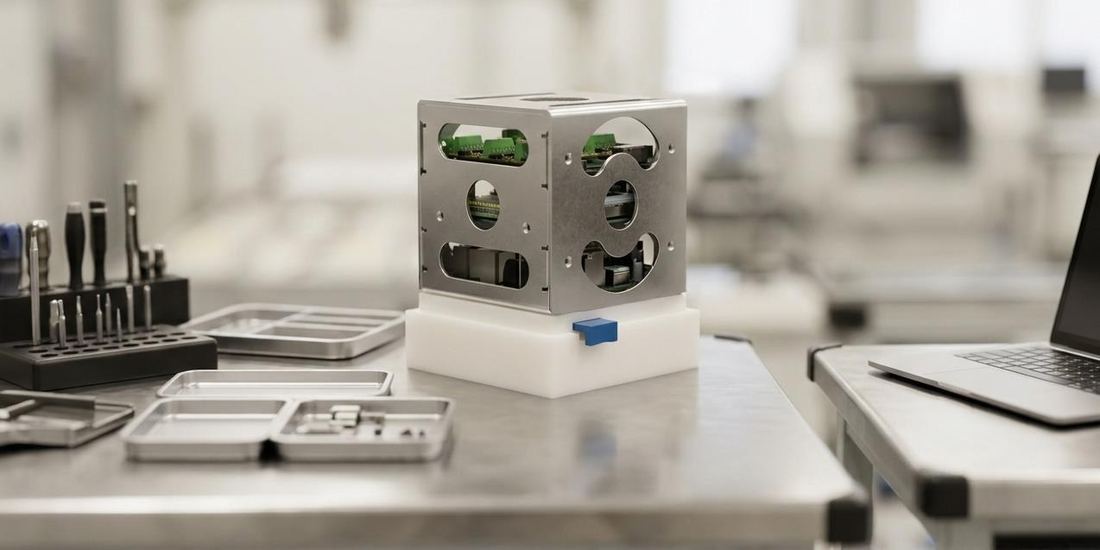
Orbit2Orbit standardised payload housing unit
95%

Launch costs have fallen

From $54,500/kg in the Shuttle era to $2,720 today.1

$1.8T

Space economy is exploding

Projected to nearly triple to $1.8 trillion by 2035.2

2.2M

AI is accelerating demand

2.2 million new AI-discovered materials need microgravity testing.3

$55B

Capital is flowing

Invested into commercial space companies in 2025 alone.4

Drag to spin
95%

Launch costs have fallen

The economics of reaching orbit have fundamentally changed, from $54,500/kg in the Shuttle era to $2,720 today.1

$1.8T

Space economy is exploding

The global space economy is projected to nearly triple to $1.8 trillion by 2035.2

2.2M

AI is accelerating demand

AI has discovered 2.2 million new materials, and they require testing in microgravity before they fly.3

$55B

Capital is flowing

More than $55 billion was invested into commercial space companies in 2025 alone.4

Investment Highlights

Six reasons this belongs in your portfolio.

The window is open. Here's why we're positioned to capture it.

Pioneering orbital logistics

No dedicated station-to-station logistics network exists today. First movers capture the layer.

Proprietary technology

OSU docking, fuel generation, propulsion, autonomous routing, and in-space integration.

Early entry valuation

US$13.5M pre-money, while comparable in-space companies carry valuations from US$120M to US$1.79B.8

Commercial traction

Flight heritage achieved, customers onboard, US$7.1M qualified pipeline.

Experienced leadership

60+ years combined experience and 12+ successful missions across the team.

Multiple growth catalysts

40 tonnes/year capacity by 2030, datacenter support, lunar expansion, and a defined public listing pathway.9

The Problem

Every future space station needs logistics.

More stations are being built. More cargo is going to orbit. Today there is no dedicated station-to-station logistics network. That means:

  • Expensive resupply from Earth for every need
  • Inflexible, single-destination missions
  • Unused capacity stranded in orbit
  • Higher operational risk for every operator
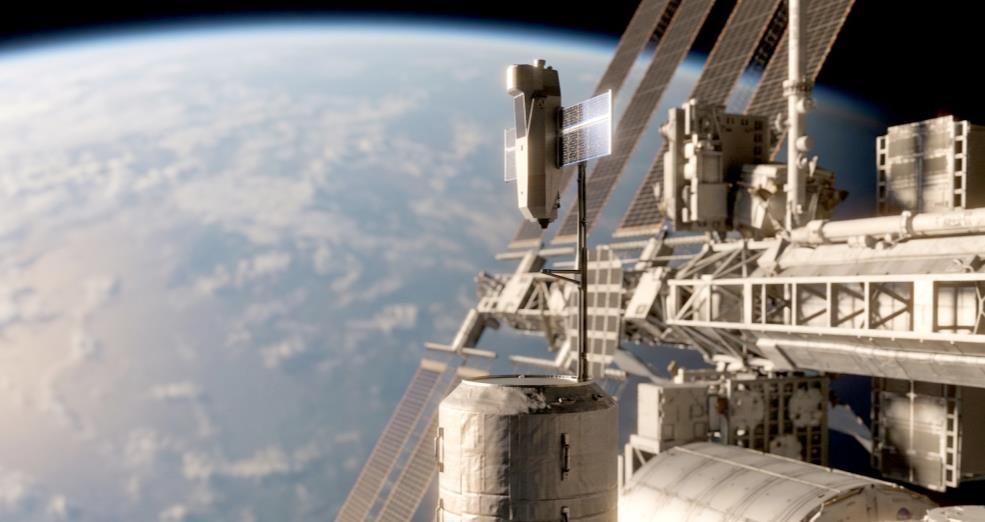
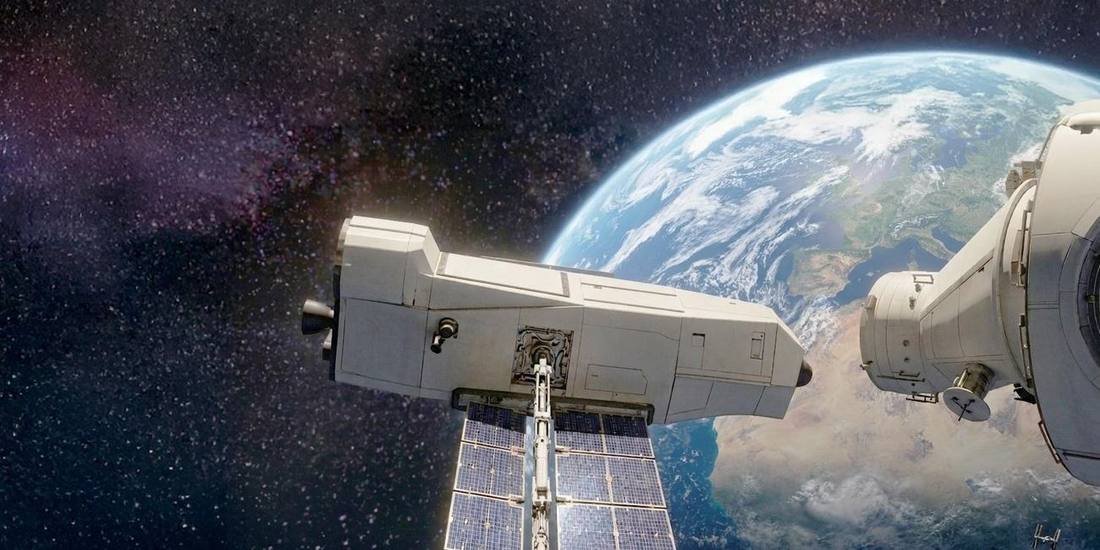
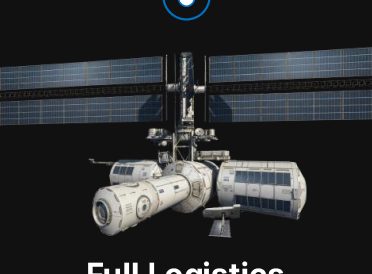
Reusable transport spacecraft docking with an orbital station
RTS approach & dock · orbital servicing concept

The space economy is scaling. Logistics isn't.

Six stations come online this decade, quadrupling the people in orbit. Annual cargo demand grows with them, from 10 to 40+ tonnes per year, and every station is a future customer.59

10,000 KG/YR · US$20M 20,000 KG/YR · US$40M 40,000 KG/YR · US$80M ISSCREW 6 · NOW CSSCREW 3 · NOW HAVENCREW 12 · 2027 ROSSCREW 4 · 2028 AXIOMCREW 8 · 2028 STARLABCREW 4 · 2029 TODAY 2029+

4× people in space  ·  4× cargo logistics needed

The Solution

Validate today. Move tomorrow.

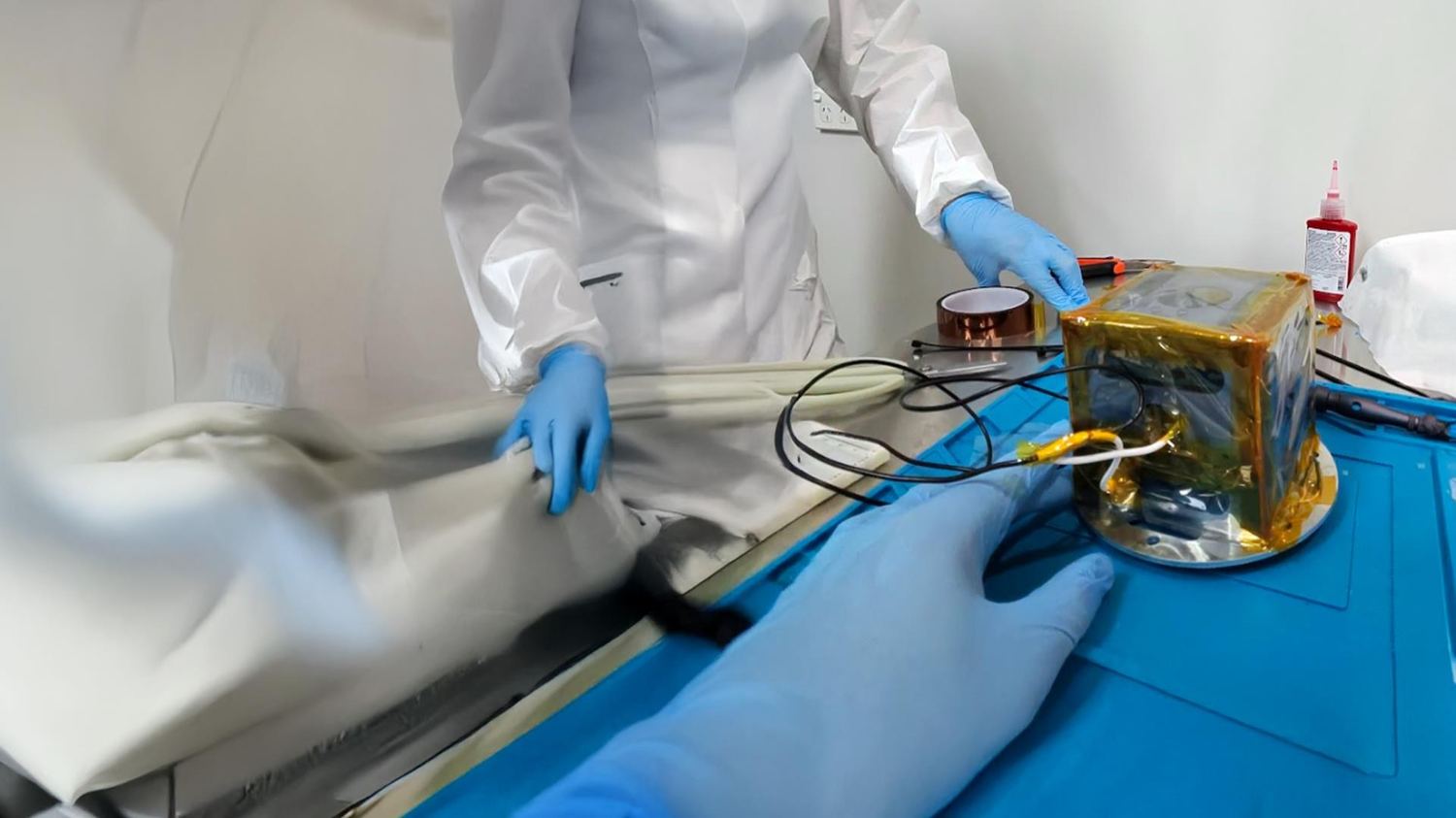
Phase 01 · Revenue todayPayload assembly in the Orbit2Orbit clean room

Lab2Space

Generate revenue today by helping customers validate payloads before orbital deployment. Standardized flight platforms, repeatable campaigns, and a rapid path from lab to orbit.

Revenue now · flight heritage achieved
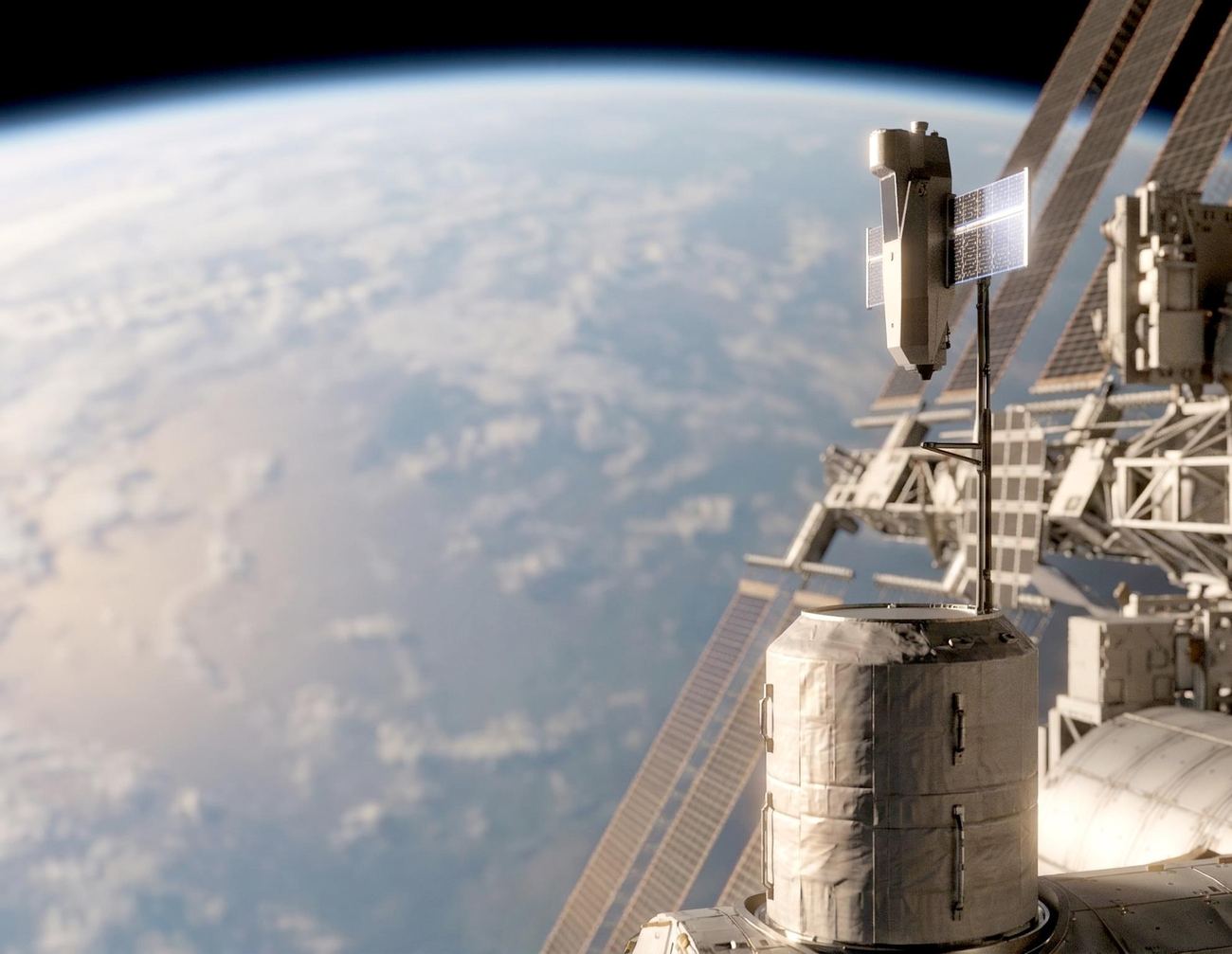
Phase 02 · Recurring revenueReusable Transport Spacecraft in orbit

Orbital Logistics

Build recurring long-term revenue by transporting cargo throughout orbit using reusable spacecraft. Station-to-station delivery, servicing, and refueling from an orbital hub.

Recurring · scales with every new station
Business Model

A customer journey that creates recurring revenue.

1

Research lab

A customer builds hardware that needs to prove itself in space conditions.

2

Lab2Space validation

Stratospheric and suborbital flights validate the payload at a fraction of mission cost.

3

Orbital qualification

Full qualification missions earn the payload its flight heritage.

4

Recurring logistics customer

Deployed assets need movement, servicing, and resupply, on repeat.

Unlike one-time launch providers, every validation customer becomes a potential long-term logistics customer.

Market Opportunity

Building infrastructure for a trillion-dollar economy.2

Expanding commercial stations, defense demand, satellite servicing, and orbital infrastructure are converging on one need: logistics.

$51B TAM $16.5B SAM $2B SOM
$0B
Total addressable market
In-space logistics projected for the 2030s as the space economy triples.6
$0B
Serviceable market
40,000 kg/year orbital cargo demand as launch costs fall ~90%.19
$0B
Initial opportunity
Defense budgets and first movers capturing the logistics layer, with limited competition.9
The AI Catalyst

AI is going to need space.

AI isn't creating demand for chips alone. It's creating demand for entirely new computing infrastructure, and Earth's grid can't keep up.

0 TWh
Projected datacenter electricity demand by 20307
$0T
Datacenter capital expenditure by 20307
0 GW
Estimated U.S. power shortfall by 20287
0%
Of communities oppose a local AI datacenter7
“The most economically compelling place to put AI will be in space.”
Elon Musk · Dwarkesh Podcast · February 2026 · Listen to the episode →

Space-based compute is becoming a serious infrastructure discussion. Those orbital datacenters will still need servicing, upgrades, replacement hardware, and logistics. That is the layer we own.

Picks & Shovels

Amazon didn't win because it built trucks. It won because it built logistics.

Launch providers are the trucks. We're building the distribution centers, transfer stations, routing, and last-mile delivery of orbit.

Nvidia > an AI application

Instead of betting on one satellite operator, one lunar miner, or one pharma line, you're investing in infrastructure every one of those industries could require.

Visa > an ecommerce company

We benefit regardless of which station wins. ISS, Axiom, Starlab, Haven, ROSS: each one needs cargo, maintenance, replacement parts, and servicing.

AWS > an online retailer

Infrastructure usually compounds. Today's stack reads Launch → ??? → Commercial operations. We're building the missing middle layer.

Why Orbit2Orbit

Not another rocket company.

We're building what comes after launch.

Capability
Traditional launch companies
Orbit2Orbit
Direction
Earth to orbit
Orbit to orbit
Vehicle life
One-way delivery
Reusable & refuelable
Mission profile
Mission specific
Autonomous, repeatable routing
Role in orbit
Drop off and leave
Cargo movement, servicing, distribution
Traction

This isn't a concept. It has flown.

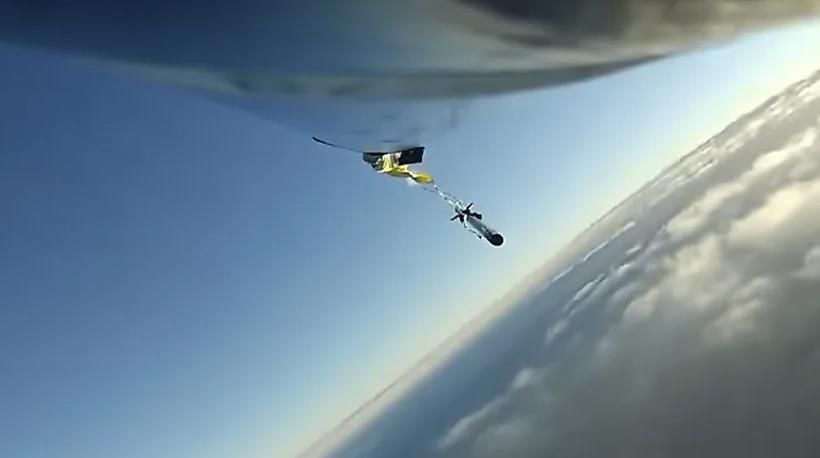
Parallax PHU mission launch
Mission success

First flight heritage achieved

The Parallax PHU was successfully launched and recovered, validating the Lab2Space platform end to end.

Nominal launchFull recovery First flight heritageLab2Space validated Payload integration provenMission ops demonstrated
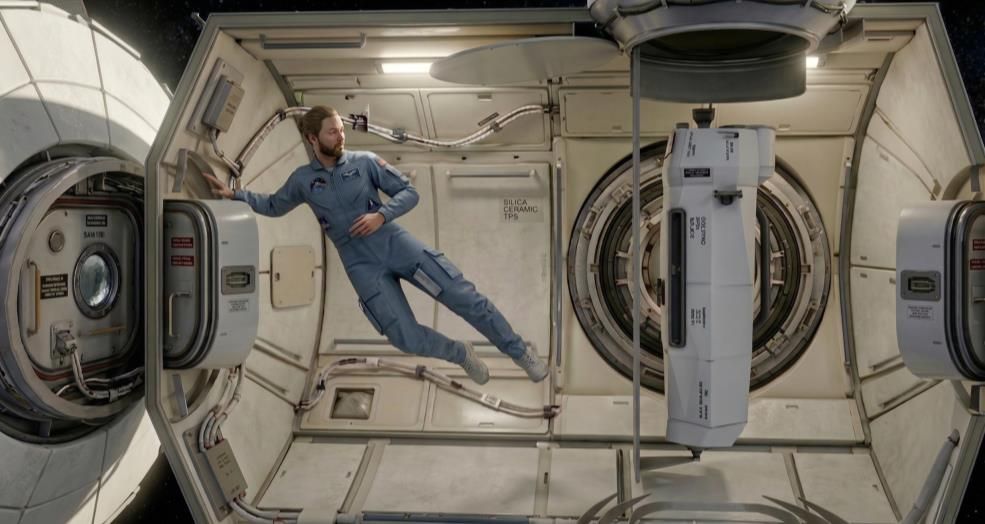
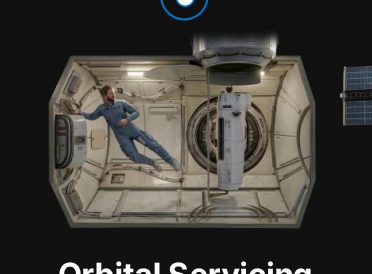
Astronaut inside the Orbital Servicing Unit concept
Inside the Orbital Servicing Unit (OSU)
Oversubscribed bridge roundUS$1.1M+ secured to accelerate commercialization9
Dedicated manufacturing HQClean room, integration lab & mission ops operational
Global launch partnershipsLaunch access across five continents
US$7.1M qualified pipelineAcross research, government & commercial markets9
Commercial LOIs securedCustomers actively using the Lab2Space platform
Award-winning technologyAustralian Technologies Competition winner
Technology consortiumPartners across avionics, power, materials & digital twins
Commercial customersRevenue-generating validation missions underway
Commercial customers on the platform
Queensland University of Technology (ESIS) Space CoLAB EmTDLab Astraea Technologies
In the Press

Third-party coverage.

“A major step towards becoming a publicly listed business.”
Orbit2Orbit eyes Canadian stock market listing to accelerate next phase of space logistics ambitions Space Connect · Stephen Kuper · July 15, 2026
Our Partners

Orbit2Orbit Technology Consortium.

Leading Australian deep-tech companies contributing avionics, materials, power, digital twins, and mission operations, reducing R&D risk and raising the probability of mission success.

Deneb Space
Starbound
Sitle
Zendir
Extra Terrestrial Power
Spiral Blue
Mexx
B Space
01Collaboration between industry leaders across battery & power, hull protection, and solar arrays.
02Shared expertise drastically reduces mission & R&D risk while lowering operating costs.
03Key components proven to work together, from autonomous flight to digital twin simulations.
Roadmap

We don't launch cargo. We move it once it's there.

You are here
01
Lab-to-Space validation flight
2026

Lab-to-Space validation

Tech demos & first commercial clients. Flight heritage achieved.

02
MVP transport spacecraft
2027

Orbital operations

MVP transport spacecraft in service. Lab2Space expansion.

03
Reusable Transport Spacecraft
2029

Reusable Transport Spacecraft

Commercial spacecraft with in-space refueling.

04
Orbital Servicing Unit
2030

Orbital Servicing Units

Docking ports plus station support & maintenance.

05
Full logistics network
2030+

Full logistics network

Orbital hub, 10+ clients, six stations served.

Beyond cargo

We don't stop at cargo and science payloads. The network compounds.

Target · 2030

Space datacenter support

We're the vehicles moving between orbital datacenters, supplying replacement parts, servicing systems, and keeping them in continuous operation.

Target · 2035

Human movement

Targeting crew transfer between space stations across the growing orbital network.

Target · 2038

In-Orbit Logistics Hub

A warehouse in space. Mission data tells us what moves and how often, so we can hold stock on orbit and reduce the complexity of moving, resupplying, and servicing the network.

The Team

Built by people who have flown hardware.

Bradley Hatton-Jones
Founder & CEO

Bradley Hatton-Jones

  • 20+ years engineering across aerospace & mining
  • Built Australia's largest rocket factory
  • Senior manufacturing engineering, ERIS project
Dr. Philippe Laniakea
Chief Technology Officer

Dr. Philippe Laniakea

  • 17+ years in space vehicle manufacturing
  • Previous head of Satellites at Gilmour Space
  • UNSW Canberra space program
Amal Khatri
Chief Strategy Officer

Amal Khatri

  • 25+ years in engineering
  • Former Executive Director of SANSA
  • 20+ years in spacecraft development
Advisors

Prof. Sara Couperthwaite

Industrial Chemistry

Guiding the development of the fuel generation technology.

Simon Logsdail

Advanced Manufacturing

Helping navigate cost-effective methods of manufacturing our products.

Dr. Trevor Lafleur

Propulsion Systems

Advising on the development of our propulsion systems.

60+ years of combined aerospace experience & 12+ successful missions across the leadership team.

Use of Funds

Where the capital goes.

01

Scale core business operations

Expand manufacturing capacity, mission operations, and the Lab2Space flight cadence.

02

Research & development

Advance propulsion, docking, and fuel-generation systems toward orbital demonstration.

03

Accelerate commercial growth

Convert the qualified pipeline and expand global launch partnerships.

04

Advanced in-orbit servicing

Pursue servicing solutions across inspection, refueling, and component replacement.

05

General working capital

Fund day-to-day operations through the proposed listing pathway.

Detailed allocation will be set out in the offering documents.

The Offering

The terms, in plain sight.

A concurrent US$5.7 million (C$8 million) financing with a defined pathway to a public listing on the Canadian Securities Exchange via reverse takeover.

Issue price
US$0.57

Per subscription receipt (C$0.80)

Pre-money valuation
US$13.5M

US$13.5M (C$19M) · versus peers at US$120M to US$1.79B8

Minimum financing
US$5.7M

Subscription receipts (C$8M)

Listing pathway
CSE via RTO

Proposed reverse takeover, announced

Insider ownership
~35%

Management & insiders, undiluted, post-financing

CAD figures converted at 1 CAD = 0.71 USD (mid-market rate, July 2026). The offering is denominated in Canadian dollars; USD figures are indicative and will vary with exchange rates. [Placeholder pending counsel review: investor eligibility, use-of-funds breakdown, and offering documents to be inserted here before publication.]

FAQ

The questions investors ask first.

SpaceX changed the economics of getting mass into orbit. We're focused on what happens after that mass is already there. A Starship-scale vehicle is excellent for bulk transport from Earth, but it makes no commercial sense to send one every time a small component fails or a payload needs repositioning. Launch providers open access to space. We make the assets already in space more useful, serviceable, and commercially productive. SpaceX moves mass from Earth to space; we move and support assets once they're there.

The long-term thesis does not depend on every announced station hitting its target date. Delays shift the timing of station-to-station revenue rather than invalidate the market need. Near-term revenue comes from Lab2Space, Pathfinder missions, and hosted payloads, while capital-intensive fleet deployment is gated against confirmed station schedules and customer agreements. Even one or two additional orbital destinations creates an initial addressable logistics opportunity.

Traditional access to space typically costs $15M to $20M per mission, forcing companies into one-off experiments. Lab2Space reduces the cost of testing by more than 30x through a staged pathway: lab integration, stratospheric flight, suborbital flight, then orbital deployment. Customers pay for validation flights today, at up to 50% less than leading competitors, and each one becomes a candidate for long-term logistics services.

Today: research institutions and commercial hardware companies validating payloads, including Queensland University of Technology, Space CoLAB, EmTDLab, and Astraea Technologies. Tomorrow: space station operators, space agencies, and science hubs that need cargo transport, maintenance support, and orbital distribution.

Launch costs have fallen 95%,1 the space economy is tripling toward $1.8 trillion,2 and more than $55B of capital entered the sector in 2025.4 We have flight heritage, revenue, and a defined pathway to a public listing, at a US$13.5M pre-money valuation while comparable in-space companies carry valuations from US$120M to US$1.79B.8 The consolidation wave has already begun across the sector.

Join the mission

Space needs a logistics network.

We're building the infrastructure layer that could support the next generation of commercial activity in orbit. Join investors backing reusable in-space logistics.

Read the Offering Circular (PDF)